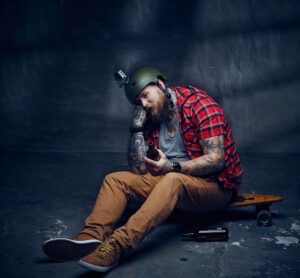
You typically can’t be charged with a traditional DUI in Washington while riding a skateboard. DUI laws apply to motor vehicles, which don’t include human-powered devices like skateboards.
However, you can receive a charge for disorderly conduct if you engage in disruptive behavior while skating drunk, such as blocking traffic or endangering pedestrians. A Tacoma DUI lawyer can answer any more questions you have about Washington’s DUI laws and how they apply to different forms of transportation.
Skateboards Aren’t a Vehicle Under the Law
DUI laws in Washington specifically make it illegal to drive a vehicle while drunk. But not all modes of transportation count as vehicles under the law.
RCW 46.04.670 defines a ‘vehicle’ as a self-propelled or drawn device that can move on public highways and transports people/property. The law explicitly excludes the following from the definition:
- Power wheelchairs
- Human or animal-powered devices
- Mopeds
- Bicycles and motorized foot scooters
- Gold carts
- Electric personal assistive mobility device
- Personal delivery devices
A traditional human-powered skateboard doesn’t count as a vehicle, meaning Washington’s DUI laws don’t apply.
So, no, there is no ‘SUI’ for skating under the influence. You are legally allowed to ride a skateboard while drunk (though it’s not a good idea for your health and safety).
What About an Electric Skateboard With a Motor?
Human-powered skateboards are exempt from Washington’s DUI laws, but can you get a DUI on a skateboard with an electric motor?
Even with a motor, it’s unlikely you’ll receive a DUI for riding an electric skateboard drunk. Although not explicitly mentioned in the law, electrically powered skateboards would likely fall under electric personal assistive mobility devices, which are exempt from DUI laws.
However, this may change in the future. Some states, such as California, have passed laws classifying electric skateboards as vehicles subject to traffic and DUI laws. It’s possible that similar laws may be passed in Washington regulating the use of electric motorized skateboards.


For a free legal consultation, call (253) 238-2558
You May Get a Charge for Disorderly Conduct
Even though you can’t get a traditional DUI, you can still get in trouble for skating drunk. If your behavior causes a public nuisance or endangers others, the police could potentially arrest you and charge you with disorderly conduct. Skating behaviors that may count as disorderly conduct include:
- Weaving in between traffic lanes
- Cutting off motorists and ignoring traffic signals
- Following or passing too closely to pedestrians
- Riding aggressively to intimidate pedestrians
- Obstructing walkways, staircases, or ramps
- Skating faster than is reasonably safe on walkways
- ‘Tailgating’ or holding onto the back of a motor vehicle
Disorderly conduct is a misdemeanor in Washington state, which is punishable by up to 90 days in county jail and a maximum fine of $1,000. You likely won’t serve jail time for a first-time disorderly conduct offense, but a conviction can nonetheless negatively impact your reputation and future prospects.
Skateboarding Drunk Can Also Impact Liability in a Lawsuit
Aside from potential disorderly conduct charges, riding a skateboard drunk can affect your ability to recover financial compensation if you are injured. In Washington State, comparative negligence laws reduce compensation in personal injury cases if the injury victim is partially responsible.
What this means is that if you are skating drunk and get injured, you may be judged partially or fully responsible for your injuries. For example, if you were riding drunk and a car hit you at a crosswalk, the insurance companies may use the fact that you were drunk to justify paying less. Even if you didn’t do anything wrong, the simple fact that you were riding drunk may count against you.
Fortunately, Washington’s comparative negligence laws are fairly lax, and there is no shared fault threshold after which you can’t recover damages. Even so, you shouldn’t ride drunk and give a reason to assign you partial blame for an accident.
Click to contact our personal injury lawyers today
Do Skateboards Have to Obey the Rules of the Road?
For the purposes of traffic law, skateboarders are usually classified as pedestrians, so they must follow all the same traffic rules as pedestrians. This includes using sidewalks when available and yielding at crosswalks and intersections when they don’t have a signal. If there is no sidewalk available, you can ride a skateboard on public roads, but you must follow all traffic signals and signs.
Municipalities and cities may have further ordinances that apply to skateboarders. For example, the city of Olympia bans riding skateboards on sidewalks in specific downtown areas. If you plan to skate, make sure you understand what local ordinances apply.
Complete a Free Case Evaluation form now
Contact a Tacoma Criminal Defense Lawyer Today
Even if you can’t get a DUI on a skateboard, there are still plenty of reasons why you should avoid skating after drinking. If you have more questions about Washington’s DUI laws, feel free to contact NextLaw to schedule an appointment with our DUI lawyers in Tacoma.
Call or text (253) 238-2558 or complete a Free Case Evaluation form